SN.
It Girl Markets
Will Rihanna arrive late to the 2026 Met Gala?
Will the Birkin waitlist exceed 3 years by Q4?
Will Charli xcx release a collab album before December?
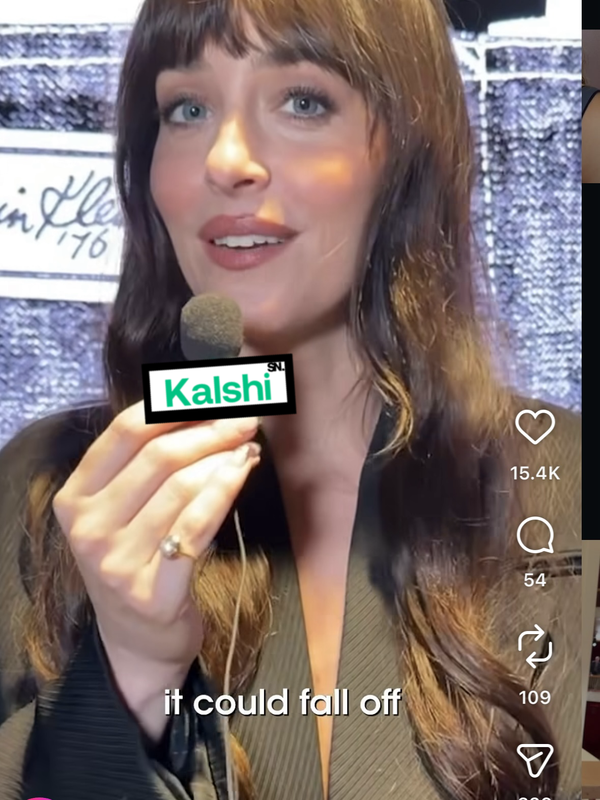
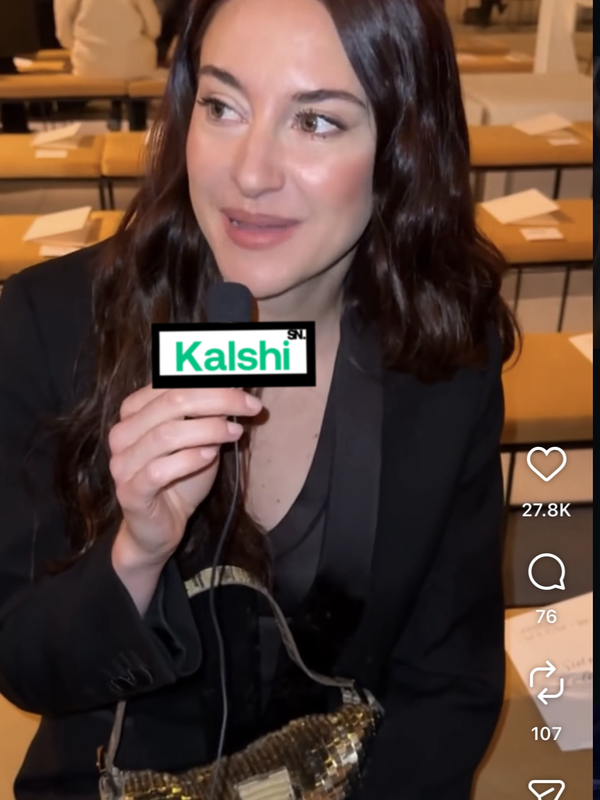
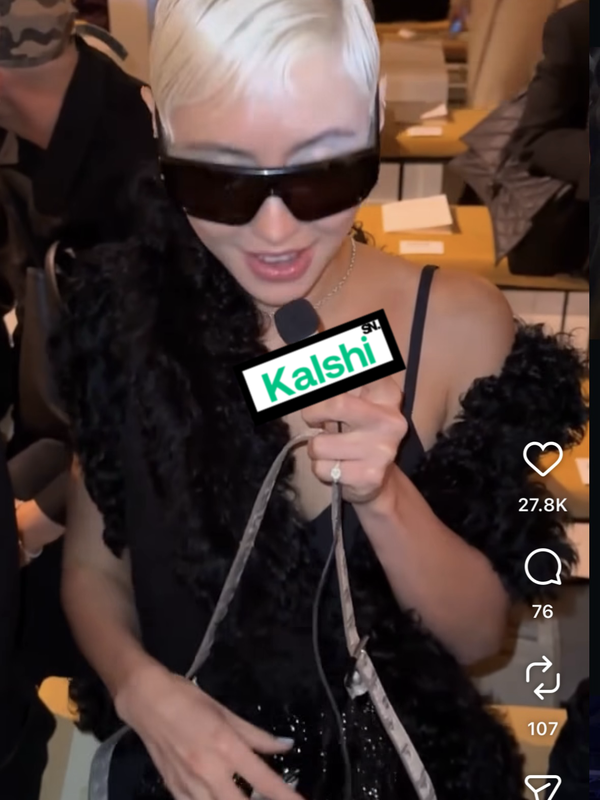
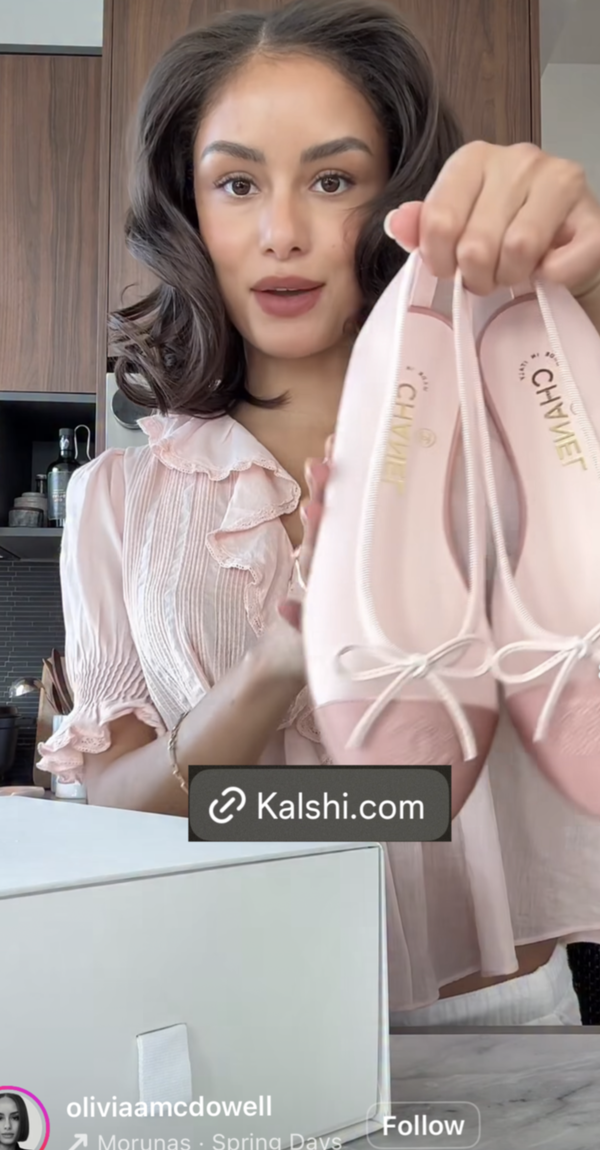
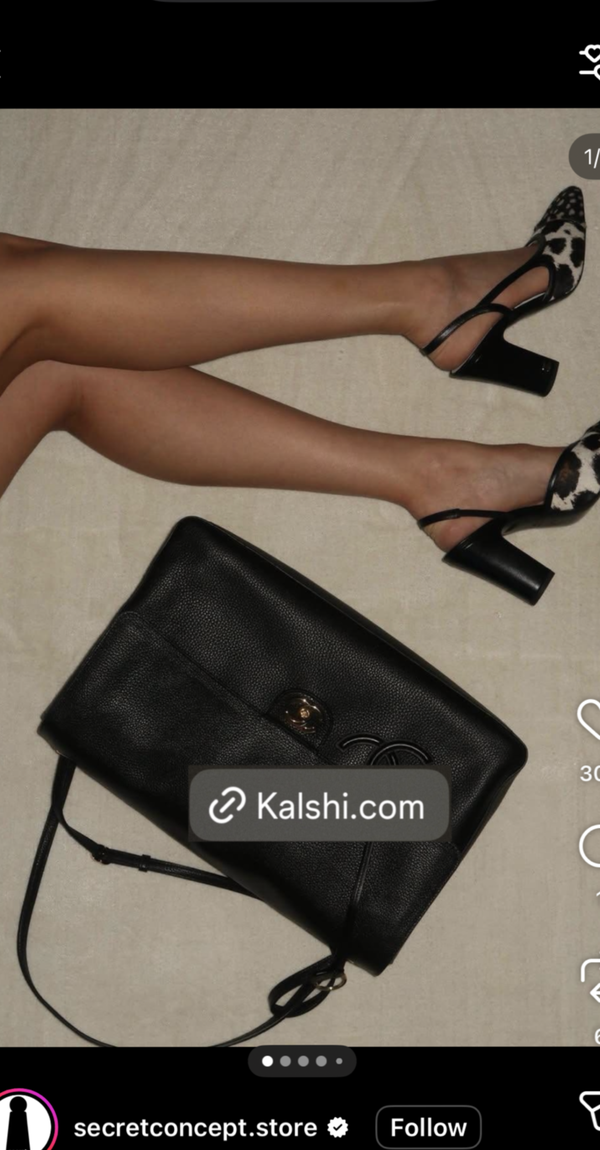
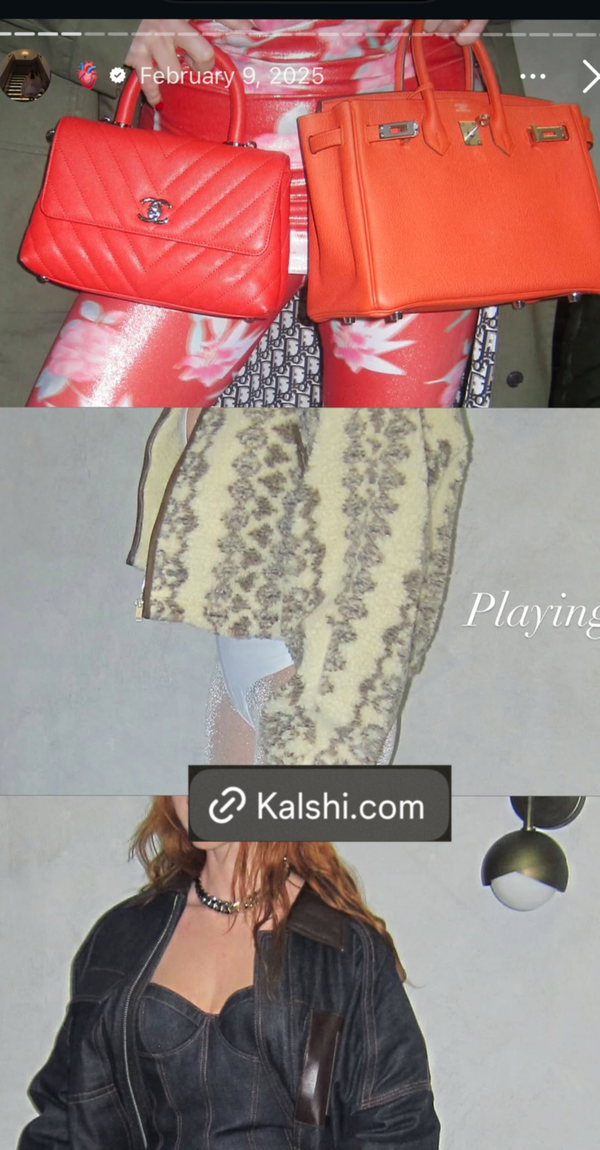
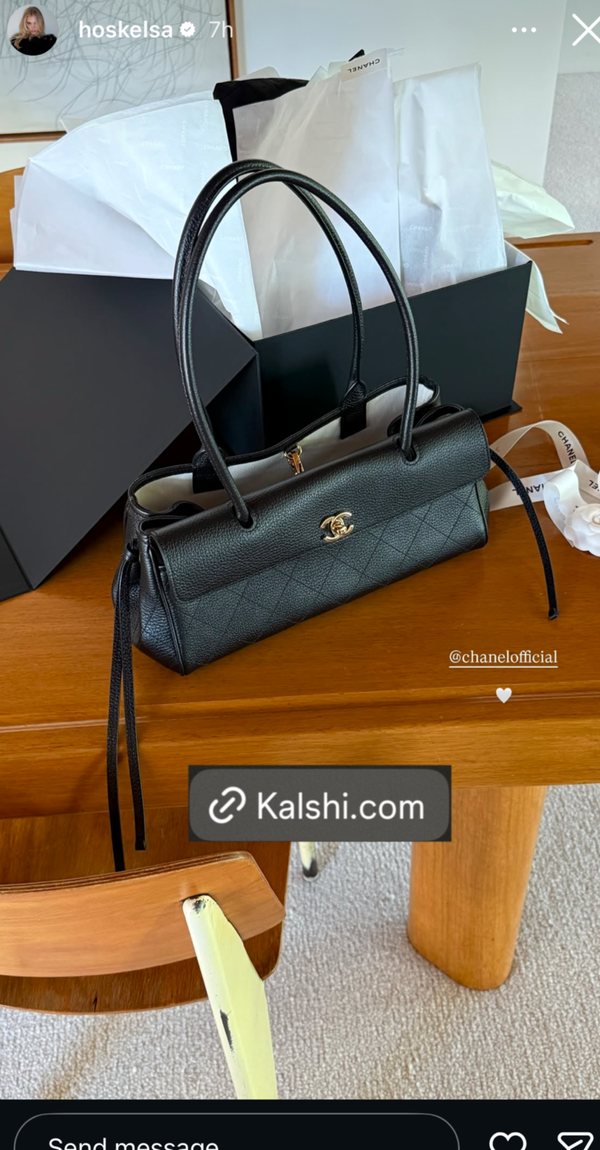
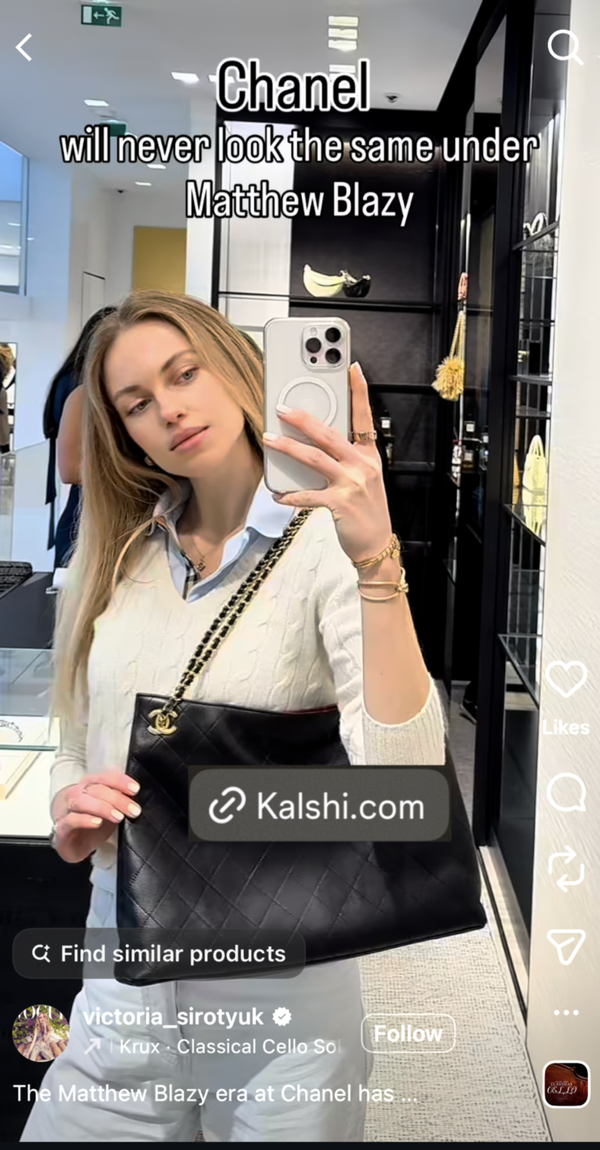
The product vision is simple: add a tab named "Fashion." Add "Pop Culture." Add "It Girl Markets." Imagine girls scrolling Kalshi like they scroll Pinterest religiously.
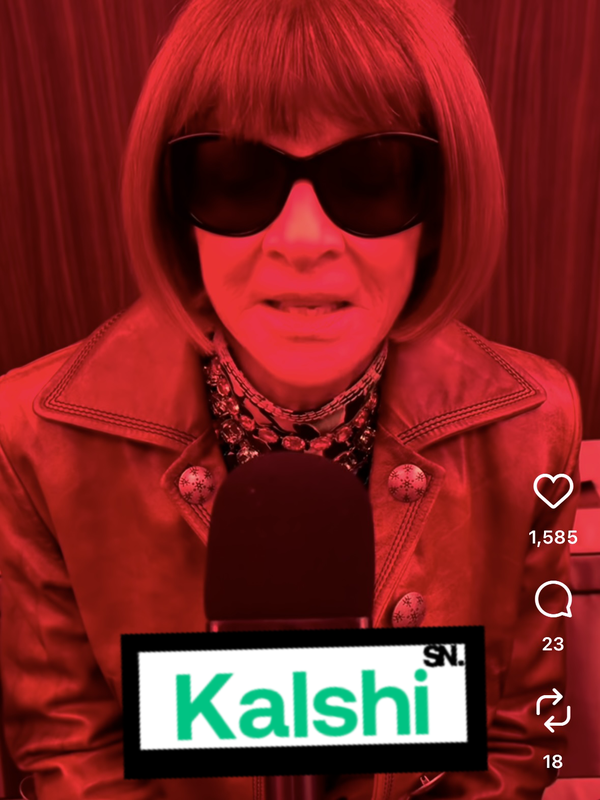
If Anna Wintour said, "I traded on Kalshi that Rihanna will be late to the Met Gala this year," you can bet that's exactly where my $100 goes. Thousands of girls and gays would do the same overnight. And if you trade that and post it that means you have taste.
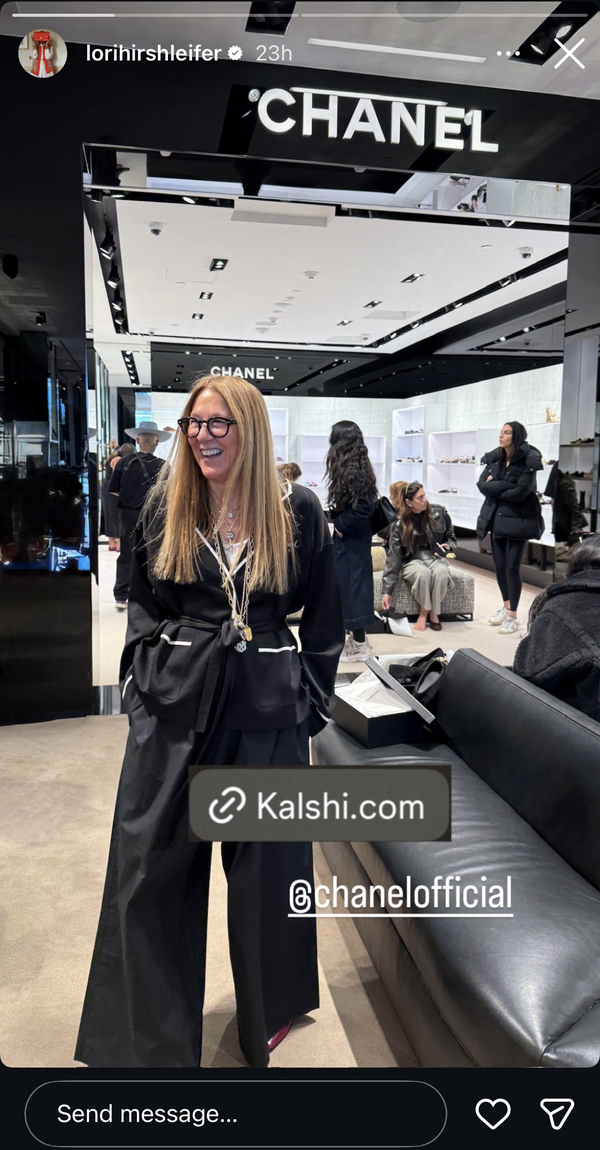
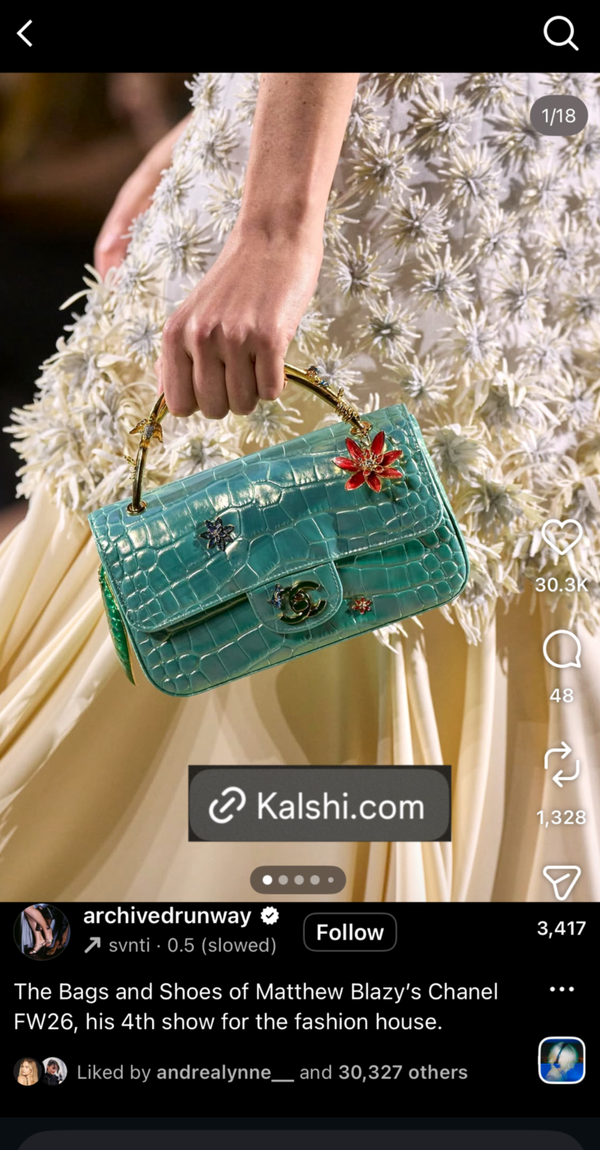
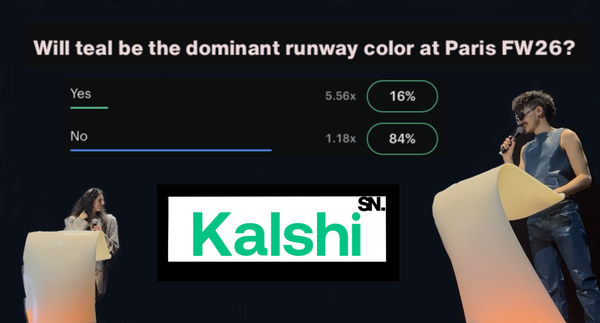
If Lori Hirshleifer said, "I traded on Kalshi that the next Dries era makes teal the trend color," and I did the same and posted it, it becomes a lifestyle. That's a new kind of cultural participation that didn't exist before.
The structures and pricing and math behind this can be written in a whole research paper. But the vision and logic are simple: what we're building is a lifestyle that is rooted in taste and aesthetics, embedded in cultural moments, and made measurable through markets. Kalshi becomes the place where culture and capital meet, in a language this audience already speaks.
Luxury goods margins are often cited as 60%+ gross margins for top luxury brands. Luxury is thriving when everything else is down, and people are still paying the price. The reason is simple: it signals taste.
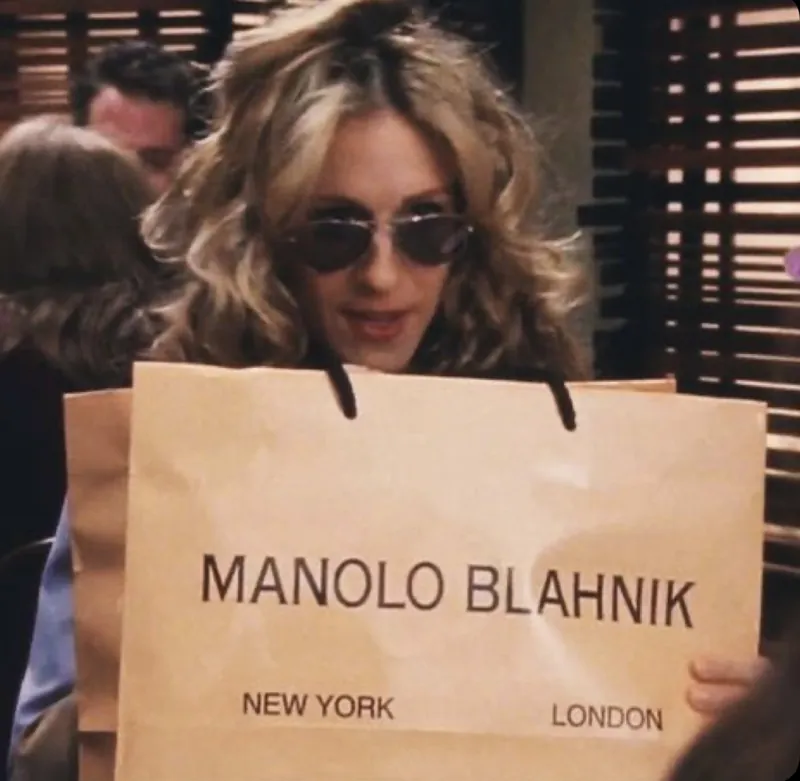
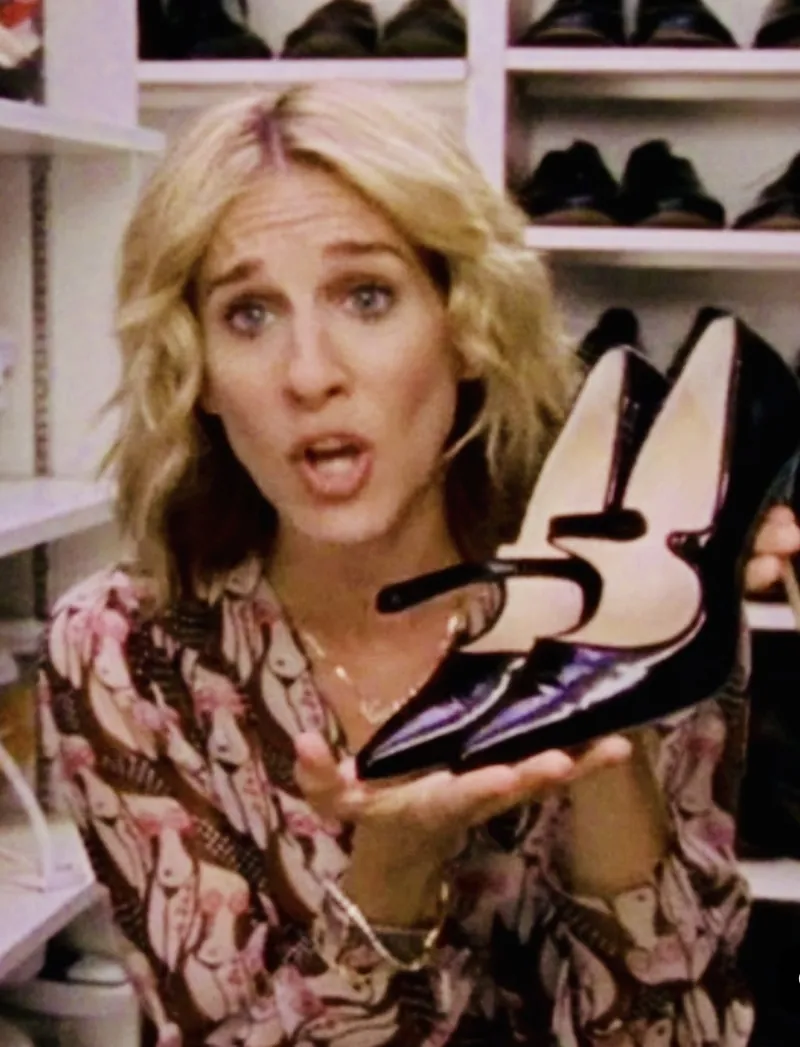
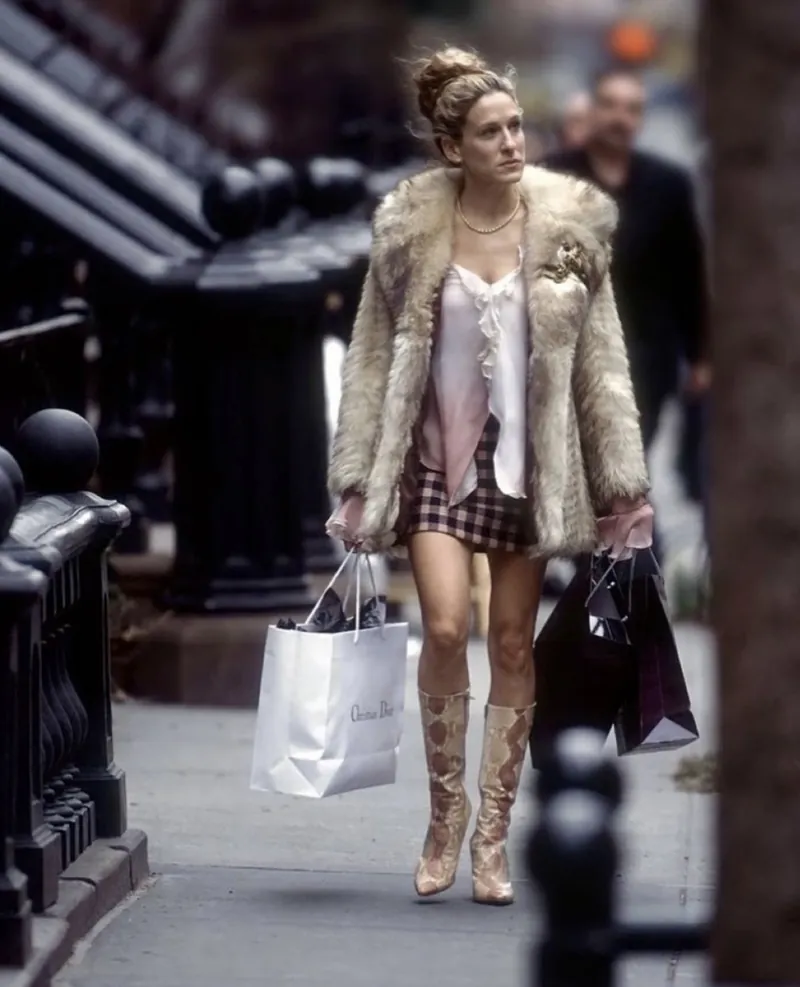
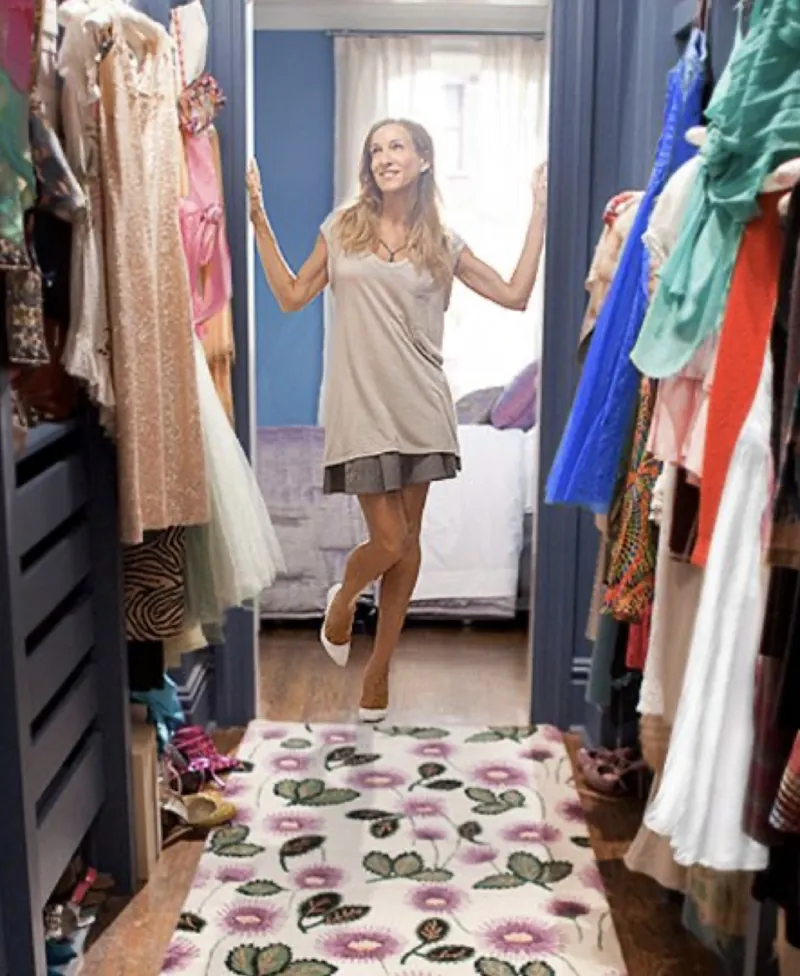
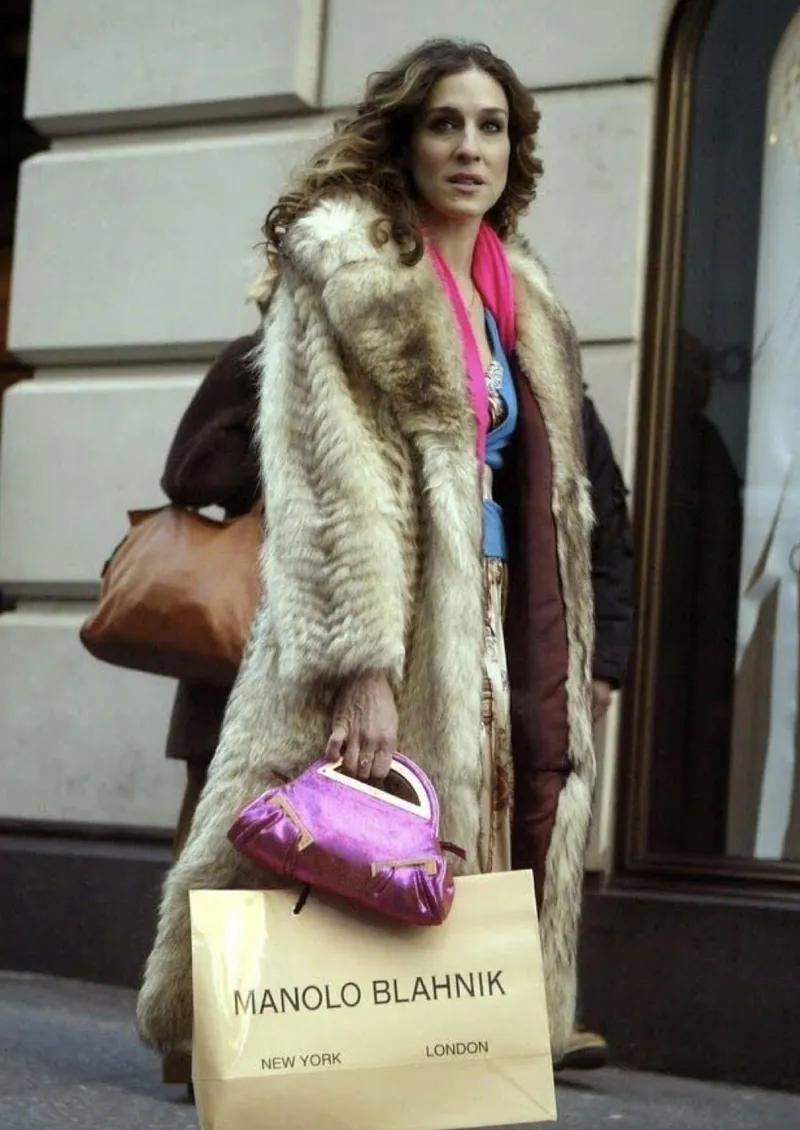
If Carrie Bradshaw was willing to buy thousands of dollars of shoes when she couldn't afford a down payment, she would trade on Kalshi as part of her fashionista lifestyle. People save up for weeks to buy Rick Owens boots just to not be able to walk in them. The lengths people go to attain taste are beyond measurable.
And with Kalshi, it becomes an arbitrage opportunity on both ends: they get taste and culture, and they can make money doing it. That's a proposition that has never existed before in this form. It doesn't ask women to become gamblers. It asks them to do what they already do, follow culture, signal identity, participate in moments, and simply make it tradable.
Take fashion shows as the first activation. The goal is to appeal to both sides: the brands and the people.
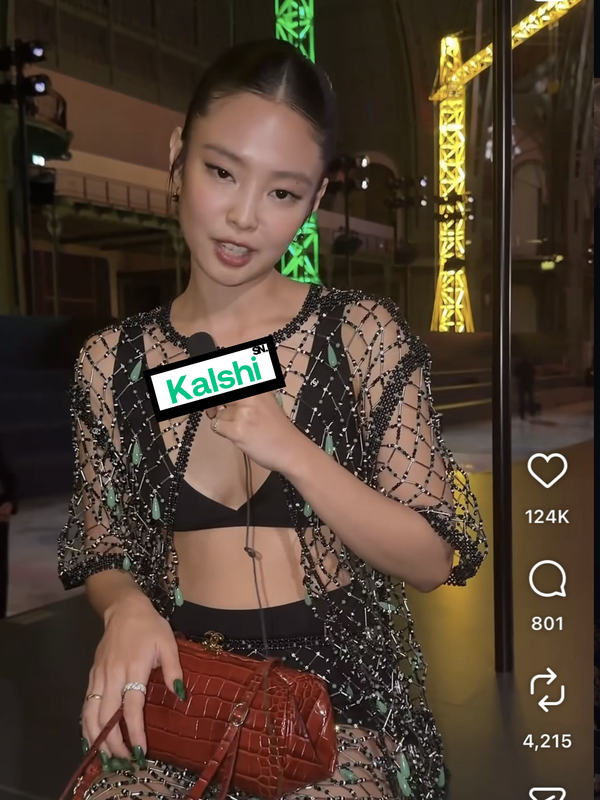
Brands are easy. They want money and clout. Kalshi can offer both. Each show's livestream, celebrity press cycle, and media coverage can be embedded with Kalshi moments, "trade the outcome" CTAs, event contracts, live odds overlays, paired with campaign deliverables: creators, press, and short-form content.
The people are where it gets interesting.
Not everyone is invited to fashion front rows but they are passionate and obsessed. I was sitting in the middle of thousands of fashion enthusiasts at a runway watch party in Paris, La Watch Party by Ly.as. These people watch shows like Super Bowls. There are quiz sections where everyone is screaming answers. The energy is real, the community is already there.
Imagine Kalshi gives each person $25 in credits to start trading at these watch parties. That doesn't just start a trend, it starts a lifestyle. A chic lifestyle that fashion it-girls do first, and then everyone copies. This conversion funnel has less friction than fighting for the same young-guys-betting-sports audience, because it is built on identity and social proof. The community does the distribution. The culture does the selling.
If I were to do this, I would only do it with Kalshi. This goes back to branding.
People give money because of brand, because of trust, because of taste. Kalshi is the only name in this space that can credibly align with all three, because it's regulated and women-led. That's what this target audience will buy into when real money is involved. That's also what fashion brands and cultural institutions need to see before they put their name next to a prediction market.
The alignment isn't incidental. It's the whole pitch. Kalshi has already done the hard work of being legitimate. The next step is being culturally legible to an audience that decides what's worth their money based on whether it fits their identity.
A regulated, women-led platform entering fashion and culture is not a gimmick. It's the most natural extension of what Kalshi already is. And with intentional inclusion of women and the LGBTQ+ community as a core target audience, the category doesn't just grow, it at minimum doubles. Not because women will gamble, but because women will participate when it becomes culturally native, aesthetically legit, and socially shareable.
I'm writing this because I'm genuinely eager to share the vision, and because I believe I'm the exact person to execute it. I'm writing this right after attending a show at Paris Fashion Week. I can see the vision in front of me, almost physically. I rushed back to my hotel, ditched an after party, sat down still in my robe, and started typing. I need to get it down while it's alive; visualize it, share it with the world, and make it real.
Not just because I have the vision, but because I know how to build the engine behind it. I've done it once already, from zero, in a space that required the same combination of cultural fluency, financial literacy, and aesthetic precision that this requires.
I don't come from a privileged or experienced position. But my advantage comes from inexperience, curiosity, and drive. I see a revolution and a future, and I want to be the first one to stir the pot.
The future is betting on taste. I'd love to build that future with Kalshi, and I'm ready to start that conversation.